
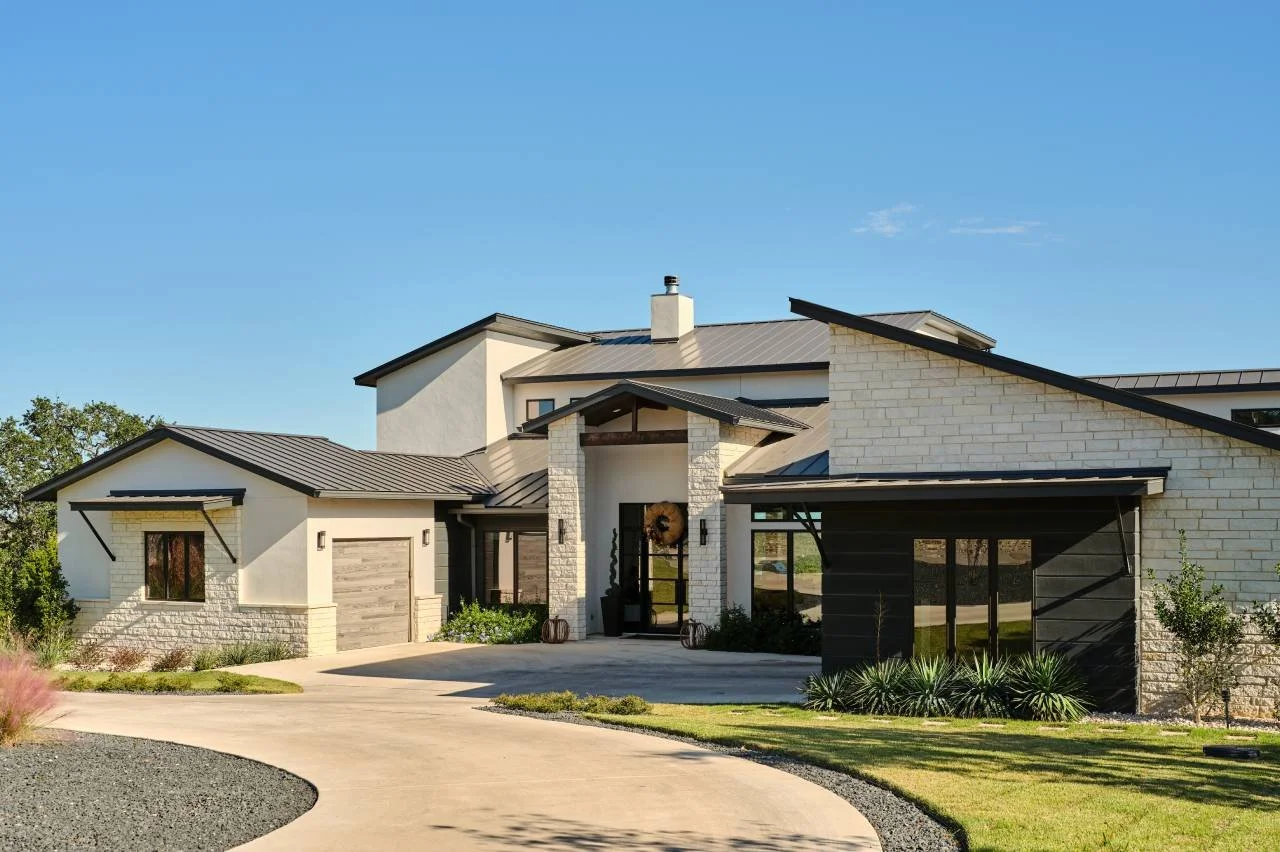
Privacy is a cornerstone of comfort and peace in a home. For families building a custom home, understanding how to integrate custom home privacy measures can make a significant difference in daily life. Careful design creates personal areas without sacrificing openness, natural light, or overall style.
As a luxury custom home builder, we know that privacy is not just about fences or walls, but it’s also about carefully balancing openness, views, and separation. By planning strategically from the outset, your home can offer intimate retreats, secure outdoor spaces, and a sense of tranquility that enhances every aspect of your lifestyle.
Thoughtful Property Placement and Site Planning
The placement of a home on its property has a strong impact on privacy. Strategic site planning considers land features, elevation, and orientation to reduce exposure to nearby homes or public spaces.
Positioning key areas such as bedrooms and living spaces away from direct sightlines improves seclusion. Window direction, elevation changes, and spacing from property lines also influence how private a home feels.
Early decisions about layout and positioning help integrate custom home privacy into the structure itself. This approach reduces reliance on added barriers and creates a more natural sense of separation.
Strategic Landscaping for Natural Screening
Landscaping serves as a flexible and visually appealing method for enhancing privacy. Trees, hedges, and layered plantings create separation while adding texture and character to the property.
Dense greenery, such as evergreen trees, creates year-round coverage. Layered gardens and climbing plants soften boundaries and improve the overall appearance of outdoor spaces.
In addition to visual screening, landscaping can reduce noise and improve comfort. These elements contribute to a peaceful environment while reinforcing custom home privacy in a subtle and effective way.
Use of Fencing, Walls, and Privacy Screens
For a more structured approach, fences, walls, and decorative screens can delineate boundaries and protect personal spaces. These features can be customized to complement the architecture of your home, ensuring that functionality and style go hand in hand.
Materials like stone, wood, or metal can create distinct zones without feeling intrusive. Screens or lattice panels provide partial separation while maintaining airflow and light. Thoughtfully designed walls can also serve dual purposes, such as supporting landscaping or creating outdoor living “rooms” that feel private and inviting.
Window Placement and Treatments
Windows are essential for natural light and views, but without careful consideration, they can compromise privacy. Proper placement, sizing, and treatments can help you enjoy both openness and discretion.
Positioning windows higher on walls, incorporating clerestory windows, or orienting them toward private areas reduces exposure to neighbors or public areas. Adding high-quality window treatments, such as motorized shades, curtains, or blinds, allows you to control light and visibility throughout the day.
For custom homes, these elements can be integrated seamlessly into the design. They enhance both function and aesthetic appeal while ensuring your personal spaces remain protected.
Outdoor Living Zones with Privacy in Mind
Outdoor living spaces are increasingly important in custom home design, especially in regions like the Hill Country and Central Texas. Designing patios, decks, and pool areas with privacy in mind guarantees these spaces are comfortable and inviting.
Covered patios, pergolas, or screened porches create intimate outdoor areas while blending with the home’s architecture. Strategically placed landscaping or fencing enhances seclusion, so you can enjoy outdoor activities without feeling exposed.
Create Private Interior Retreats
Privacy extends beyond outdoor areas and plays an important role within the home itself. Well-designed interior retreats create quiet spaces for work, relaxation, or personal activities. These areas improve daily comfort and give each family member a place to unwind without distraction.
Bedrooms, offices, and reading nooks should be positioned away from high-traffic zones to reduce noise and interruptions. Multi-functional rooms can shift into quiet retreats when needed, which adds flexibility as family needs change over time. Sound-insulated walls, solid-core doors, and thoughtful placement of bathrooms can further strengthen separation between active and private areas.
In a luxury custom home, these spaces are designed with both comfort and refinement in mind. Privacy should feel like a natural part of the layout rather than an added feature. Details such as layered lighting, soft partitions, and subtle layout transitions can improve how secluded and comfortable each space feels.
Utilize Smart Home Technology for Discretion
Modern technology plays a growing role in maintaining privacy while keeping the home efficient and easy to manage. Smart systems give homeowners better control over access, visibility, and communication throughout the property.
Features such as automated lighting, integrated security systems, and remote-controlled window treatments help manage privacy throughout the day. These tools can be adjusted to match routines, which improves both comfort and convenience. Notifications can also alert homeowners to visitors or movement near the property, adding another layer of awareness.
Discreet integration remains important in high-end homes, where design and function must work together. Smart features can blend into the overall architecture without disrupting the visual flow. This approach maintains privacy while preserving clean lines, open views, and a refined living environment.
Thoughtful Lighting and Ambiance
Lighting has a quiet yet meaningful impact on privacy within a home. Well-planned indoor and outdoor lighting shapes the atmosphere while limiting visibility from surrounding areas. The right approach creates a space that feels inviting without exposing interior or exterior living zones.
Exterior lighting should focus on key areas such as walkways, patios, and landscape features. This targeted approach improves safety and visibility without casting light into neighboring properties. It also helps define outdoor spaces while maintaining a sense of separation and calm. Inside the home, layered lighting creates balance between function and comfort. Spaces remain bright enough for daily use while still feeling relaxed and private. Adjusting light levels throughout the day adds flexibility and improves how each room is experienced.
Integrating lighting into the overall design strengthens both appearance and performance. A well-planned system enhances security, improves comfort, and complements the home’s overall aesthetic without drawing unnecessary attention.
How We Help You Protect Your Home and Lifestyle
At Keith Wing Custom Builders, privacy is treated as an essential part of the living experience. Every detail, from site placement and landscaping to layout and integrated technology, is considered with care and purpose.
We work closely with you to understand your family’s lifestyle, preferences, and long-term goals. If you’re ready to build a home that combines elegance, function, and privacy, explore what’s possible with a trusted custom home builder by scheduling a consultation today.