
Designing a home that is both beautiful and functional for everyone requires thoughtful planning. Understanding how to make a custom home more accessible is essential for families who want a home that grows with them, accommodates aging in place, and ensures safety without compromising style.
As a trusted luxury custom home builder, we know that accessibility isn’t just about ramps or widened doorways, but it's also about creating an environment where comfort, convenience, and elegance coexist. By integrating accessibility considerations early in the design process, homeowners can enjoy a seamless and luxurious living experience for years to come.
Create Barrier-Free Entryways
One of the simplest yet most impactful ways to enhance accessibility is to design entryways without barriers.
Wide doorways, level thresholds, and gently sloped ramps allow for easy movement into and throughout the home. These features are essential for family members with mobility challenges or those using wheelchairs or walkers. Beyond functionality, barrier-free entryways also create a welcoming first impression and can seamlessly blend with high-end architectural design.
Widen Hallways and Doorways
Narrow hallways and standard door widths often create unnecessary obstacles that limit movement and reduce overall comfort within the home.
Expanding these spaces improves navigation and creates a more open and inviting interior layout for everyday living. Hallways measuring at least forty-two inches and doors at thirty-six inches or wider improve accessibility for assistive devices.
These dimensions also benefit daily activities, including moving furniture, accommodating strollers, and reducing congestion in high-traffic areas. Wider pathways contribute to a more spacious atmosphere, which enhances both functionality and visual appeal throughout the home. This design strategy aligns with modern expectations while reinforcing practical solutions for how to make a custom home more accessible.
Incorporate Single-Level Living Spaces
Single-level living remains one of the most practical solutions for improving accessibility in a custom home environment. Placing essential areas such as kitchens, bedrooms, and bathrooms on one level reduces dependence on stairs. This layout becomes especially valuable for aging residents or individuals managing mobility-related challenges in daily life.
Open-concept designs within single-level homes create a natural flow between spaces and improve interaction among family members. Thoughtful placement of rooms enhances convenience while maintaining privacy and functionality across different areas of the home. This structure combines elegance and practicality. It’s a key strategy when considering how to make a custom home more accessible.
Install Accessible Bathrooms
Bathrooms often require special attention, as they can present higher risks related to slips, falls, and limited mobility. Careful design transforms these spaces into areas that are safe, functional, and visually consistent with the rest of the home. Walk-in showers with low thresholds reduce barriers, while integrated grab bars improve safety without appearing intrusive.
Non-slip flooring materials add stability, and vanities with varied heights accommodate different users more comfortably. Lever-style faucets simplify operation and make everyday tasks easier for individuals across different age groups and abilities. These thoughtful details enhance daily routines while contributing to long-term usability and broader market appeal.
Integrate Smart Home Technology
Technology can significantly enhance accessibility, providing convenience, safety, and control throughout the home.
Smart systems allow homeowners to control lighting, climate, security, and entertainment with voice commands, smartphones, or automated schedules. Motion-activated lights, automated door locks, and sensor-enabled appliances reduce the need for manual adjustments, supporting independent living and easing everyday tasks.
Design Kitchens for Accessibility and Ease of Use
The kitchen is often the heart of the home and making it accessible can improve daily life for everyone in the family. Thoughtful design choices ensure both functionality and style.
Accessible kitchens may include lowered countertops or adjustable-height islands, pull-out shelving for cabinets, and appliances positioned for ease of reach. Wide aisles allow multiple family members to move freely, and touchless or lever-style faucets enhance usability.
In a luxury custom home, these features can be seamlessly integrated, so the kitchen remains elegant while supporting mobility and comfort. Accessibility does not mean sacrificing design, but it's also about creating spaces that work beautifully for every family member.
Plan for Flexible and Multi-Purpose Spaces
A home with a flexible design adapts to changing family needs over time. Different life stages require spaces that serve new purposes without major disruption. Multi-purpose rooms increase functionality and improve how each area is used daily. A home office can function as a guest suite when needed. A bonus room can hold mobility equipment without affecting comfort or layout. These choices improve convenience and strengthen long-term property value.
Open floor plans create better flow between spaces. This layout improves movement and reduces physical barriers inside the home. Movable partitions add flexibility without permanent structural changes. Homeowners can adjust room sizes based on daily activities or future needs. Thoughtful lighting helps define separate zones within open areas. Each space remains clear, functional, and visually organized.
Flexible spaces are especially important for aging-in-place planning. Future adjustments become easier when rooms already support different uses. Homeowners avoid costly renovations when needs change later in life. The original design remains intact while usability improves. This approach protects long-term investment and increases everyday comfort across all stages of living.
Optimize Outdoor Living for Safety and Accessibility
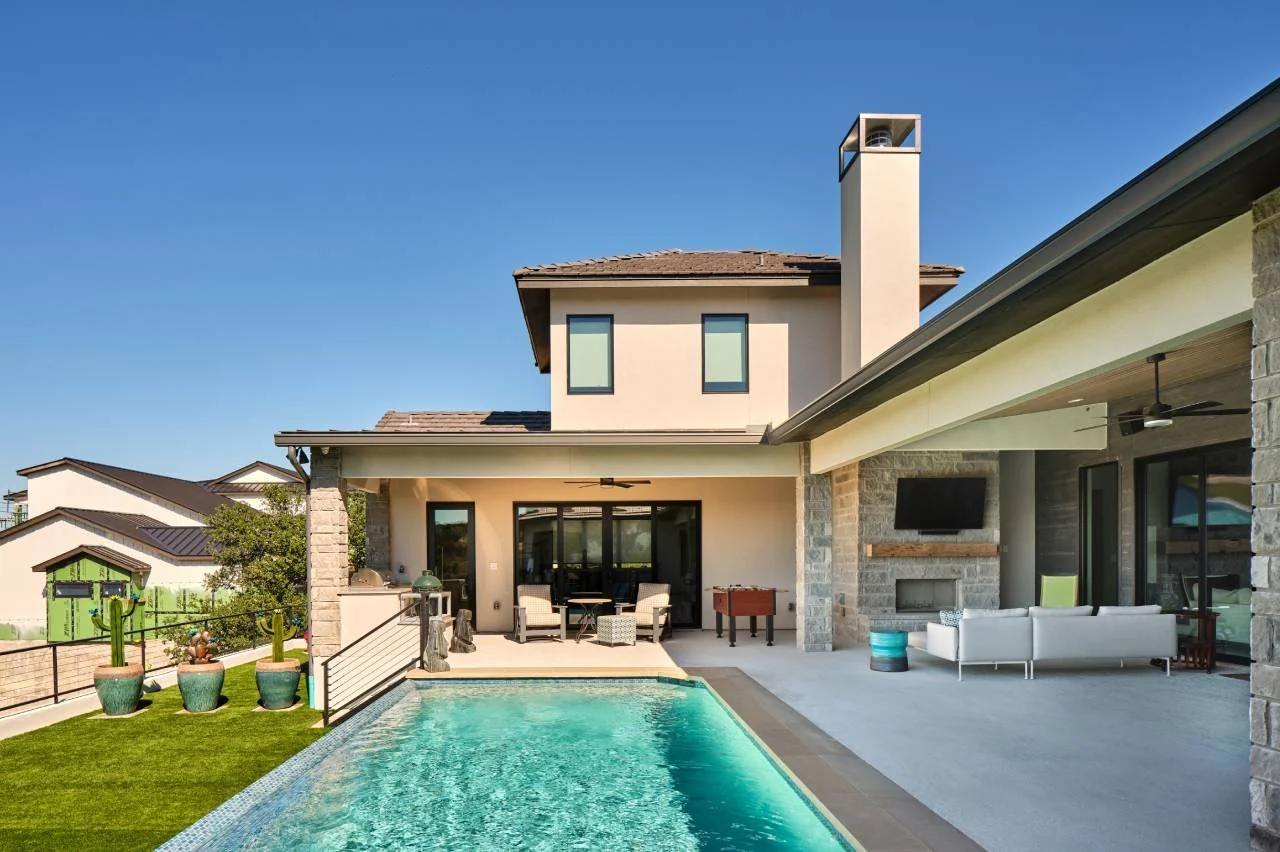
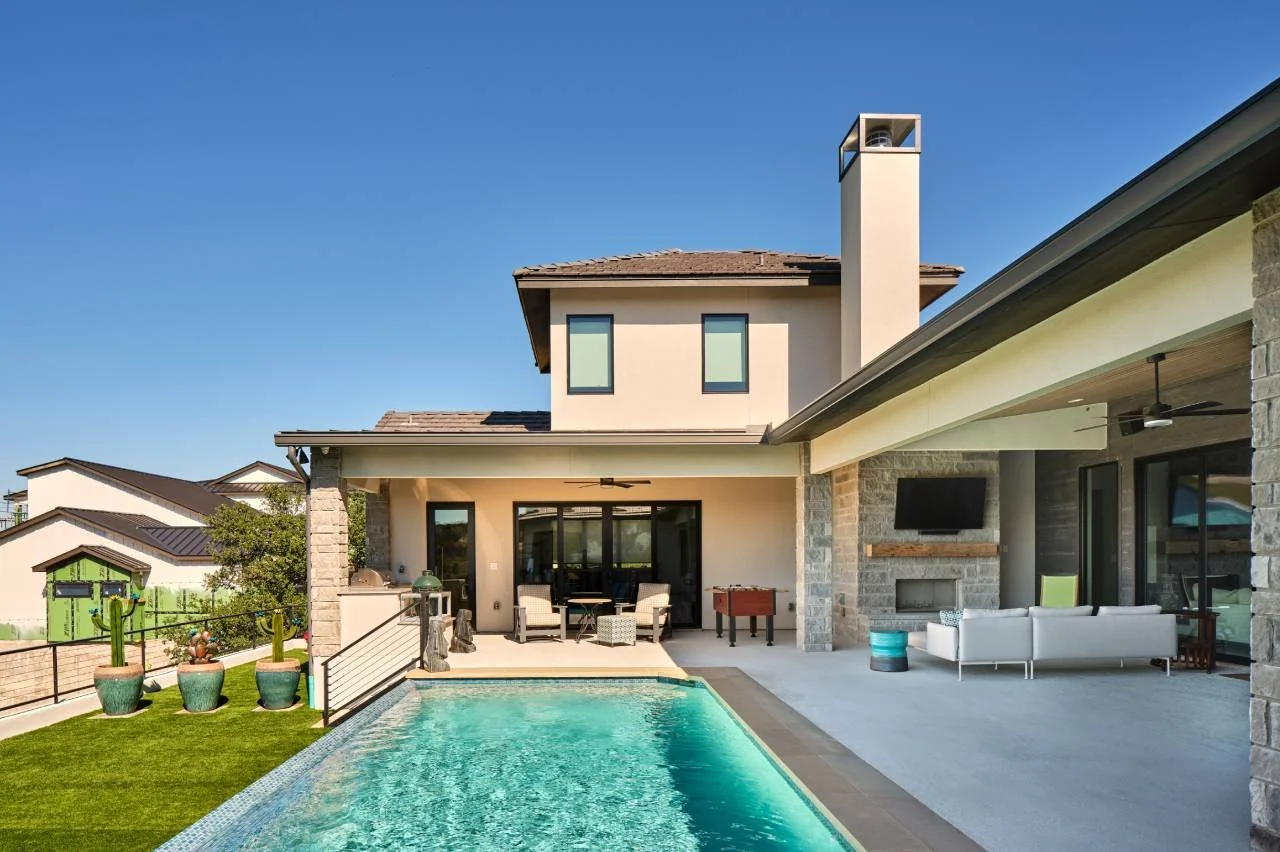
Outdoor spaces are a defining feature of Hill Country and Central Texas homes, and accessibility should extend beyond the interior. Gentle slopes, wide walkways, and non-slip surfaces make patios, decks, and pool areas safer for all family members. Strategically placed lighting and railing systems enhance visibility and security, while ramps or low-step entries provide smooth transitions between levels.
Accessible outdoor spaces encourage interaction with nature, support family activities, and extend the functional living area of the home. These considerations enhance both the usability and overall value of your property.
How We Help You Create Accessible Luxury Homes
Keith Wing Custom Builders believes that accessibility and luxury can coexist beautifully. Designing a home that works for every stage of life requires both vision and expertise, and we are here to guide you through every step.
We take the time to understand your family’s needs, lifestyle, and long-term goals. From selecting materials and finishes to designing layouts that enhance flow and mobility, we ensure that accessibility is thoughtfully integrated into every aspect of the home.
If you’re ready to plan a home that combines luxury, function, and thoughtful accessibility, explore what’s possible with a trusted custom home builder in San Antonio by scheduling a consultation today.