
Choosing where your family will live is one of the most meaningful decisions you’ll ever make. When comparing custom home vs. modular, the conversation often starts with cost or timeline.
However, for families planning a long-term investment in the Hill Country or Central Texas, the decision goes far beyond surface-level factors. Knowing those differences is key to making a decision with a trusted luxury custom home builder that truly supports your family.
What Defines a Custom Home?
A custom home is designed and built specifically for you, starting from the ground up. Every detail reflects your preferences, including layout, architectural style, finishes, and functional features.
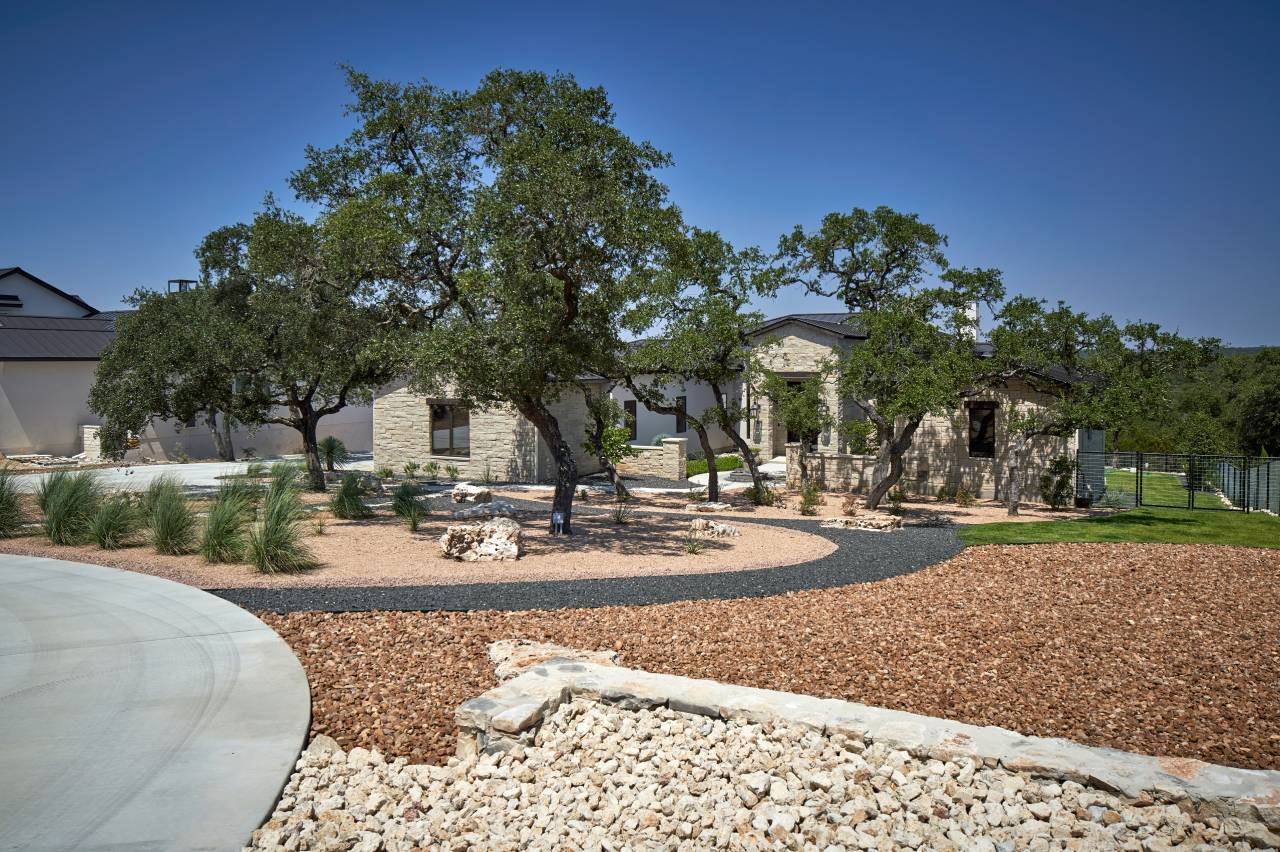
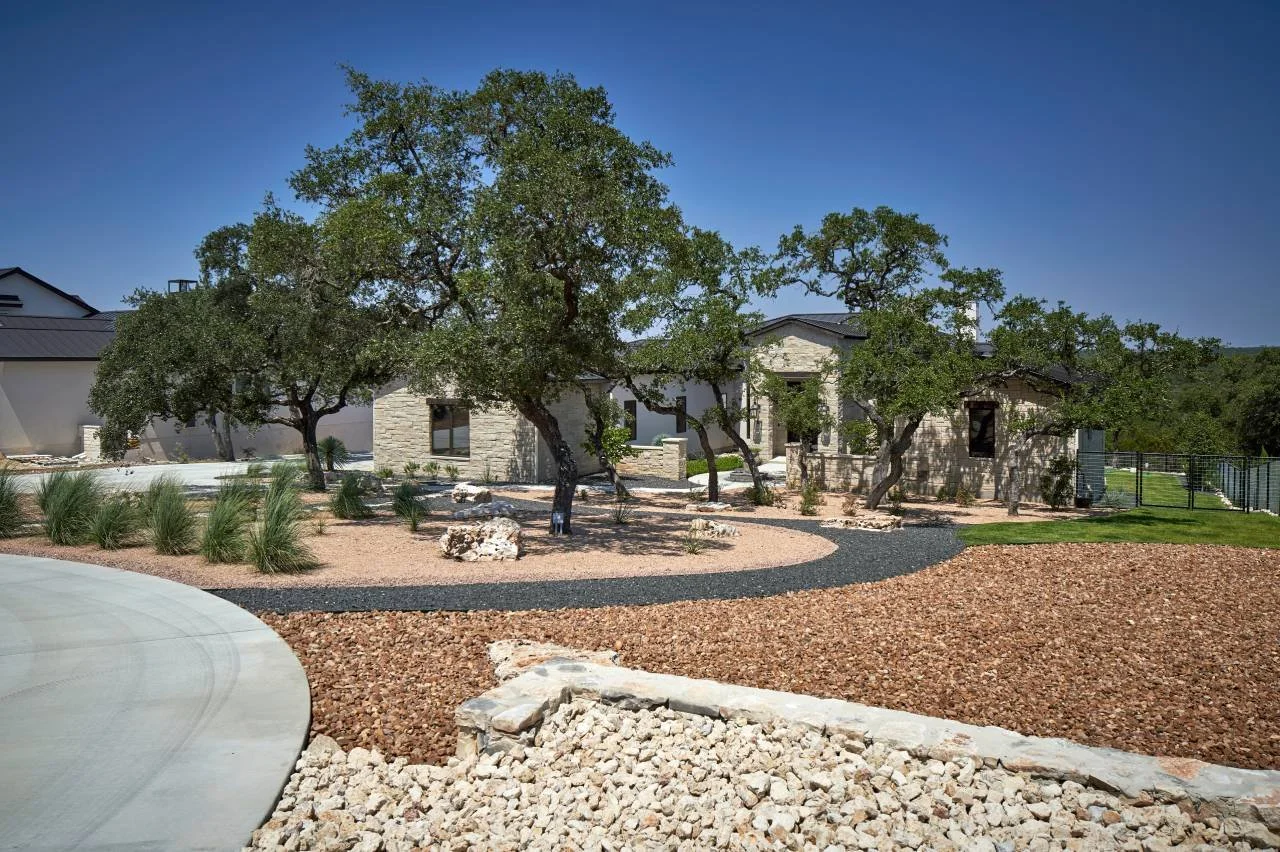
In the Hill Country, where landscapes, views, and property layouts vary widely, this level of personalization becomes especially important. A thoughtfully designed custom home can take full advantage of natural surroundings, integrate indoor and outdoor living, and create a sense of harmony between the home and the land.
More importantly, the process itself is collaborative. Instead of selecting from pre-set templates, you work directly with a builder who guides you through planning, design, and construction. This makes sure that nothing gets lost in translation and that every decision aligns with your vision.
What Is a Modular Home?
Modular homes are constructed in sections within a controlled factory environment and then transported to the site for final assembly. These homes follow standardized systems and repeatable processes, which help streamline production, improve consistency, and reduce overall construction timelines. Factory settings also allow builders to manage materials more efficiently and maintain tighter quality control during each stage of fabrication.
This method can appeal to families who prioritize speed or prefer a more structured and predictable building process. Off-site construction reduces delays caused by weather conditions and helps simplify many on-site logistical challenges. The process often feels more organized due to its controlled setting, with defined timelines and fewer unexpected interruptions during the build.
The limitation comes from restricted customization and reduced flexibility during the design phase. Layouts and finishes can be adjusted to a certain extent, but choices remain within a fixed framework of pre-designed options. This structure can make it difficult to adapt the home to unique land conditions, specific architectural preferences, or highly personalized design goals that evolve over time.
The Importance of Personalization in Family Living
A custom home is shaped around how your family lives each day, with every space planned to reflect real habits and priorities. Thoughtful layouts improve both comfort and functionality, creating a home that feels natural to move through and easy to enjoy. Kitchens can connect seamlessly to gathering areas, while private spaces create quiet zones for rest, work, or relaxation.
Outdoor living areas can be positioned to capture views, maximize natural light, and take advantage of airflow across the property. Each design decision is made with long-term use in mind, which helps create a home that feels both practical and meaningful. This approach results in a space that supports daily routines while maintaining a strong sense of identity and comfort.
In a custom home vs. modular comparison, modular homes often follow designs created for broad appeal and general functionality. These layouts perform well for standard living situations, but they may not reflect individual routines or lifestyle preferences.
Over time, small compromises in layout, storage, or flow can become more noticeable and impact overall comfort in everyday living.
Quality, Craftsmanship, and Long-Term Value
Custom homes are built with a strong focus on craftsmanship and attention to detail. Materials are selected carefully, and each phase of construction is managed with precision. This process results in a home that performs well over time and maintains its value.
In Central Texas, site-specific construction plays an important role. Soil conditions, elevation, and climate all influence how a home should be built. A custom approach addresses these factors directly, which improves structural integrity and long-term durability.
Modular homes meet required standards but rely on factory-based production methods. This approach emphasizes efficiency and consistency. It may limit the level of detail and adaptability found in custom builds. Transportation and on-site assembly can also introduce variables that affect the final outcome.
The Experience of Building Matters More Than You Think
The building experience plays a major role in overall satisfaction. A custom home involves a guided and transparent process from beginning to completion. You stay involved at every stage, which creates confidence and clarity.
Communication remains consistent throughout the project. Decisions can be reviewed, adjusted, and refined as the home takes shape. This level of involvement strengthens the connection between your vision and the finished result.
Modular construction follows a different path. Much of the work takes place off-site, which reduces direct visibility into the process. This distance can make the experience feel less connected, even though the timeline may move faster.
Timeline, Flexibility, and Decision-Making
Timeline is often a deciding factor when comparing custom home vs. modular options. Modular homes are known for faster completion due to factory-based construction. Speed can be appealing, especially for families with tight schedules or immediate housing needs.
A custom home follows a more detailed and intentional timeline. Each phase is planned carefully, which helps maintain quality throughout the build. This process takes more time, but it creates space for thoughtful decisions and refined results.
Flexibility is another key difference. A custom home allows adjustments as your vision evolves during the process. Layout changes, feature upgrades, and design refinements can be incorporated along the way. Modular construction does not offer the same level of adaptability once production begins.
How We Bring Your Vision to Life
Keith Wing Custom Builders recognizes how significant the decision to build a home is for your family. We approach each project with a strong focus on craftsmanship, clear communication, and careful attention to detail.
As a dirt-up custom home builder serving the Hill Country and Central Texas, we stay involved in every stage of the process. We walk with you from the initial conversation through the final walkthrough. If you are building on your own land or planning a waterfront retreat, we combine thoughtful design with proven building methods to shape a home that reflects your vision.
Explore what’s possible with a trusted custom home builder in San Antonio by scheduling a consultation with us today!