
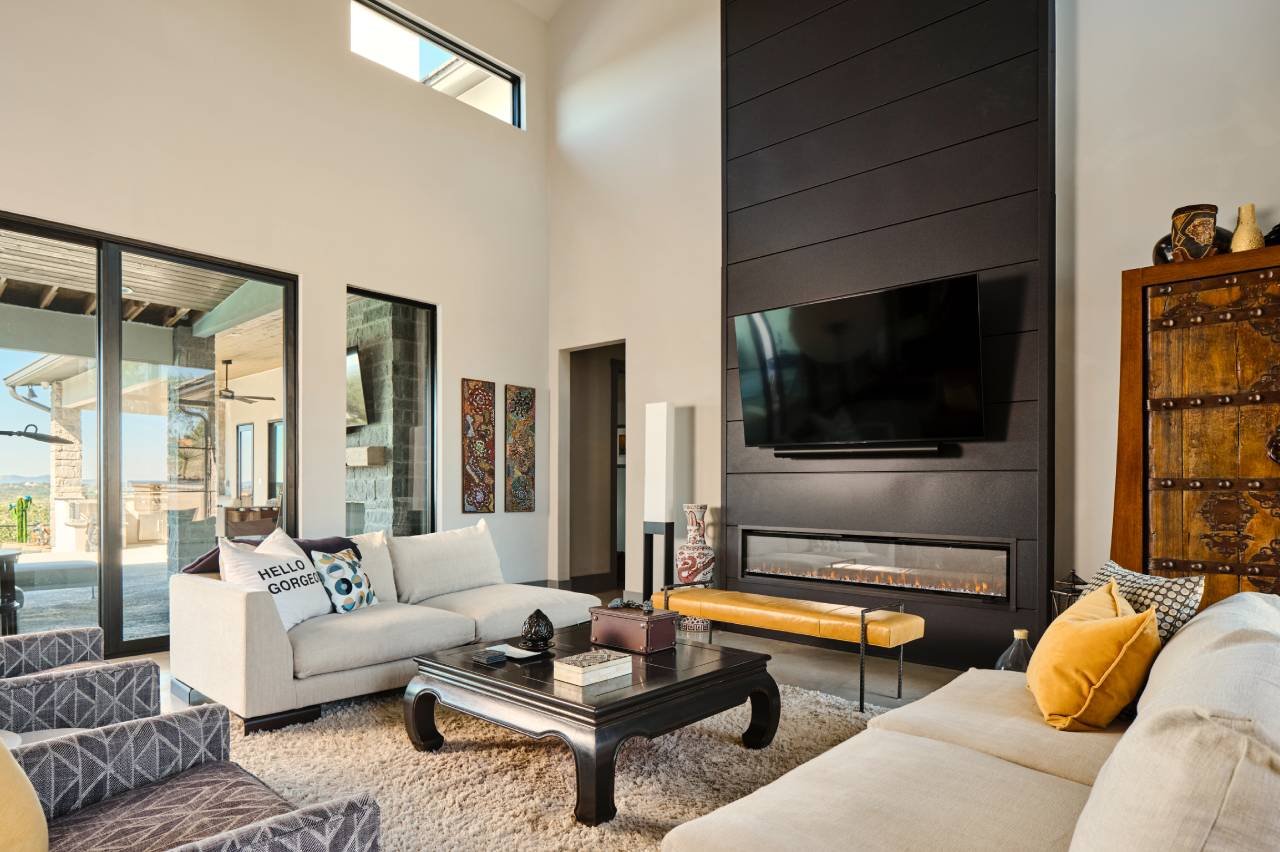
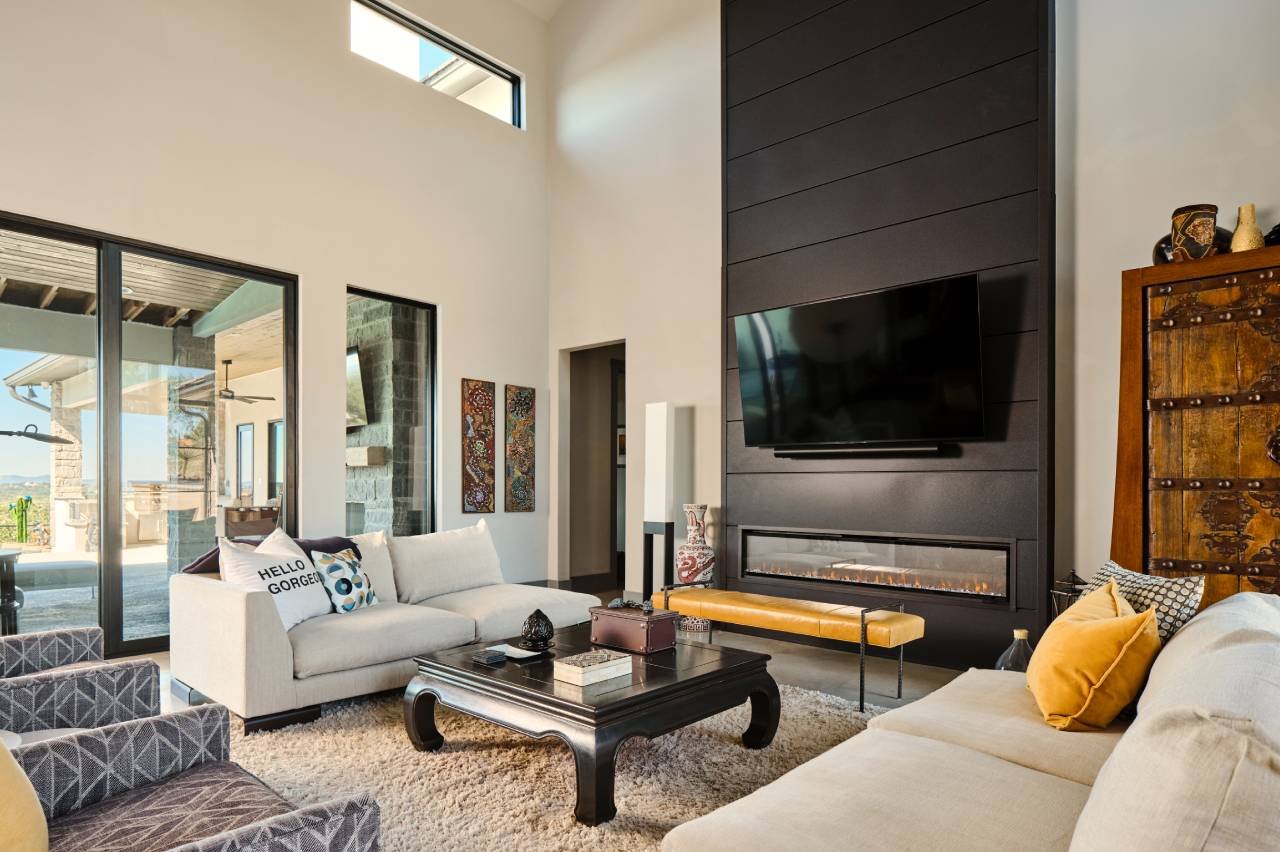
For homeowners planning a long-term investment, one question often comes up early in the process: do custom homes appraise higher than standard houses? While the answer can depend on several factors, custom homes are often positioned to achieve strong appraisals due to their quality, design, and level of personalization.
In the Hill Country and Central Texas, where properties are as unique as the families who build on them, understanding how appraisals work is essential. For those considering a custom home, these elements can play a significant role in long-term value and overall return on investment.
Understanding How Home Appraisals Work
Before comparing custom and standard homes, it helps clarify what an appraisal measures. An appraisal is a professional assessment of a property’s market value, typically required during a purchase, sale, or refinance.
Appraisers evaluate several factors, including size, condition, features, and location. Comparable properties, often called comps, are also reviewed to determine how similar homes are valued in the same area. This comparison establishes a realistic estimate based on current market conditions.
The process becomes more detailed with custom homes. Unique designs can make direct comparisons harder to find. That same uniqueness can strengthen value when the home reflects quality construction and thoughtful planning.
What Sets Custom Homes Apart in Appraisals
Custom homes stand out for their attention to detail, premium materials, and tailored layouts. Standard houses usually follow uniform plans and finishes, while custom homes reflect a specific vision.
This difference can influence appraisals in several ways. Strong craftsmanship, distinctive architectural elements, and well-planned layouts often elevate perceived value. In the Hill Country, designs that highlight views and connect indoor and outdoor living can further improve appraisal outcomes.
Custom homes are also built with long-term living in mind. Spacious layouts, flexible-use rooms, and refined finishes tend to attract future buyers, which can positively influence valuation. This is one reason many buyers ask, “Do custom homes appraise higher than standard houses,” when considering a build.
The Role of Location in Determining Value
Location remains a major factor in any appraisal. Even a well-designed custom home is shaped by its surroundings, including nearby properties, amenities, and overall demand.
In Central Texas, certain Hill Country areas stand out for scenic views, privacy, and access to desirable features. A custom home built in these locations can see increased value, especially when the design complements the land and aligns with local expectations.
Standard homes also benefit from location, but their uniform nature can limit how much they stand out. Custom homes have greater potential to elevate a property’s appeal when designed to fit both the land and the character of the community.
Quality of Construction and Materials
One of the clearest differences between custom and standard homes lies in construction quality and material selection. Custom homes are typically built with a focus on durability, precision, and long-term performance.
Every element, from structural components to finishes, is carefully selected. This level of detail often results in a home that looks refined and performs consistently over time. Appraisers take these factors into account, as higher-quality materials and craftsmanship can strengthen valuation.
Standard homes meet required building standards but are often constructed with efficiency as the priority. This approach can involve more uniform materials and processes, which may not carry the same perceived value as a carefully built custom home.
Design, Features, and Market Appeal
Beyond construction quality, the overall design and included features significantly influence how a home is evaluated during appraisal. Custom homes are carefully planned, with each space intentionally designed to serve a clear function and visual purpose. This approach creates a balanced layout where form and function work together to enhance daily living experiences.
Features such as open-concept living areas create better flow, so spaces feel larger, brighter, and more connected. Well-appointed kitchens with high-end finishes and efficient layouts often become central gathering spaces within the home. Spa-inspired bathrooms introduce a sense of comfort and luxury, which can elevate both usability and perceived property value. Seamless indoor-outdoor transitions extend living areas, making the home feel more expansive while embracing the surrounding environment.
When these elements are thoughtfully combined, they create a cohesive living experience that feels both refined and practical. Appraisers often recognize this level of design consistency, which can positively influence how the home is valued. Future buyers also respond strongly to homes that feel complete, functional, and visually aligned across all spaces.
Market appeal plays a critical role in shaping appraisal outcomes, especially in highly desirable and design-driven regions. A custom home that reflects local preferences in the Hill Country can gain a stronger position in the market.
Design elements that capture scenic views or emphasize outdoor living tend to resonate with both buyers and appraisers. Timeless architectural choices also help maintain relevance and keep the home attractive even as trends continue to evolve.
Long-Term Value and Investment Perspective
Evaluating appraisal value goes beyond the initial number. Long-term performance plays an important role. Custom homes are often designed with durability, flexibility, and timeless style in mind.
This long-term focus can make a noticeable difference. A standard home may align closely with current comps, while a custom home has the potential to maintain or increase value as it continues to stand apart in the market.
For homeowners planning to stay for years, this lasting value brings both financial stability and personal satisfaction.
How We Help You Build with Value in Mind
At Keith Wing Custom Builders, we understand that every decision made during the building process influences not only how your home looks and feels, but also how it performs in the market. That’s why we approach every project with a focus on long-term value, craftsmanship, and thoughtful design.
As a “dirt up” custom home builder serving the Hill Country and Central Texas, we guide you through each step of the journey, from initial planning to final construction. We work closely with you to ensure your home reflects your lifestyle while also aligning with the expectations of the surrounding market.
If you’re considering building a home that reflects your vision while maintaining long-term value, explore what’s possible with a trusted custom home builder in San Antonio by scheduling a consultation with us.